Keep potable and wastewater protection distinct
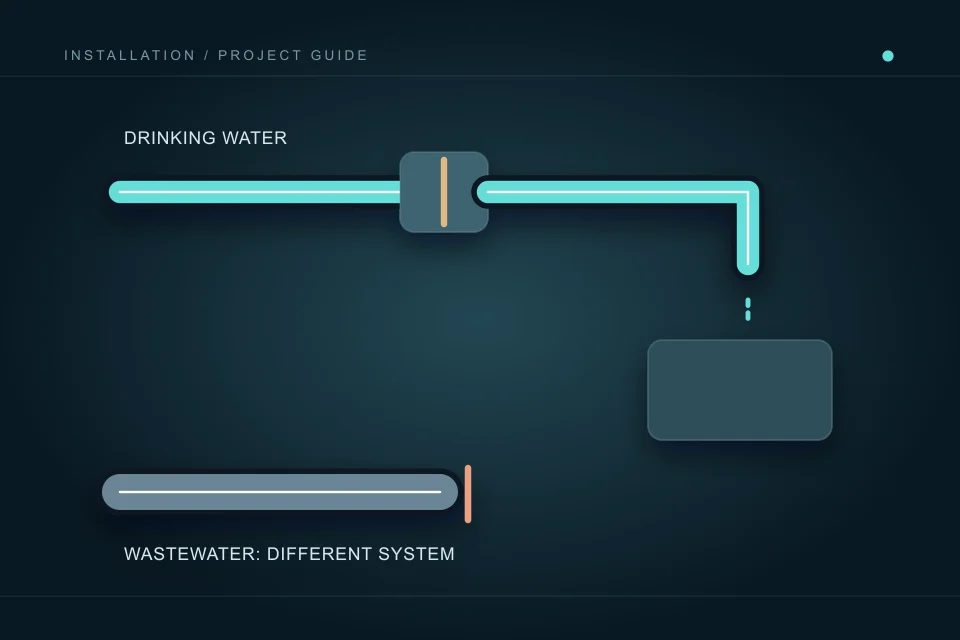
The City’s cross-connection FAQ explicitly distinguishes drinking-water cross-connection control devices from backwater valves on wastewater systems. Similar words can hide different systems, risks and responsibilities. A proposal should name which system the device serves and the assessed requirement, rather than simply list “backflow valve” without context.
A wastewater backup concern should be reviewed through the drainage and property process. A potable cross-connection question belongs with the drinking-water protection review. One device should not be presented as solving both. The owner’s useful role is to identify intended equipment and current notices, while the qualified contractor or tester determines what applies to the actual arrangement.
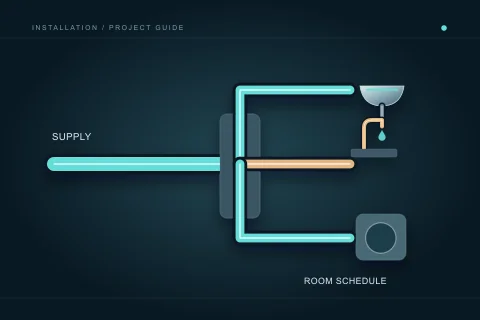
List all proposed water-using connections
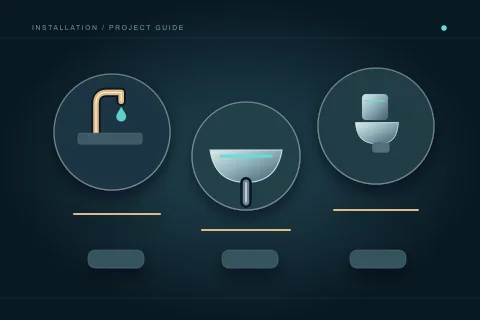
Tell the contractor about irrigation, hoses, treatment equipment, bidet or other fixtures, heating-related water connections and any additional device connected to the supply. Calgary’s programme identifies several potential cross-connection contexts. A fixture schedule limited to sinks and toilets can miss relevant equipment. Give actual product information and describe the intended use before routes are finalized.
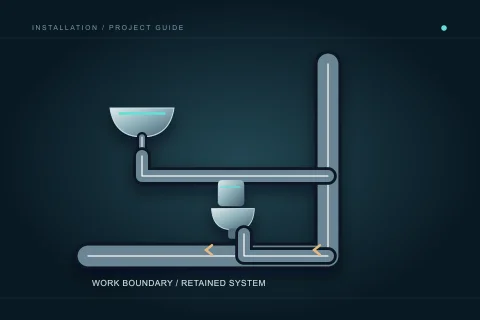
Do not copy protection details from an editorial illustration or assume a product’s appearance establishes that protection is built in. Manufacturer information, installed arrangement and applicable requirements need professional review. If an existing device is retained, identify it and its records where safely available. Mark unknown equipment or missing testing information honestly rather than infer that it is unnecessary.
Request a defined qualified assessment
Ask the contractor to explain the connection being reviewed, the proposed protection and why it fits the installation. Calgary’s Cross Connection Control Program is the authoritative local reference. A general article can explain the purpose of review but cannot determine a device type from a room plan or certify a retained assembly.
If the City has sent a notice, provide the actual notice and reference rather than a summary from memory. Ask which installer and tester qualifications apply and who manages the response. The City’s registered tester list is not an endorsement of business practices or workmanship. Keep the qualification check and commercial selection as separate decisions.
Assign installation and testing responsibilities
Calgary states that installation of a testable cross-connection control device requires a plumbing permit. Confirm the process and responsible party for the actual scope. The proposal should identify installation, access, testing, reporting and any related work rather than treat the assembly as a product-only purchase. Qualified testing is a distinct service, not a homeowner checklist.
The City describes testing responsibilities for property owners or their agents and the role of registered testers. Business and building-owner programmes can include ongoing annual obligations. Do not turn those requirements into a blanket statement about every household fitting. Have the qualified party establish the applicable arrangement and record the schedule for the actual installed devices.
Coordinate a maintainable installation
Ask the installer and tester what access the selected arrangement needs, and coordinate that with cabinetry, service rooms and other equipment. The owner should understand which areas must remain reachable, but should not design clearances or substitute a different location without review. Access that works during rough-in may be obstructed by the finished room.
Identify who prepares space, provides any related trade work and reinstates finishes. In a shared building, involve the manager in interruptions and maintenance access. Record exclusions and the effect of changed equipment on the protection review. A later addition to the supply should be disclosed to the qualified contractor rather than assumed harmless because an earlier device was already installed.
Maintain the device and reporting record
Keep the exact installed identification, permit and inspection information, test reports, responsible tester and current contact details. Update the property record after ownership, management or equipment changes. A visible assembly does not establish that required testing has been completed or that every possible connection on the property was assessed. Preserve the actual scope and limits of the review.
At handover, ask what ordinary owner information is appropriate and which tasks belong to a qualified tester or contractor. This guide gives no instructions to open, adjust or bypass a device. Use the City’s current programme and direct contact route for questions. A durable record supports future compliance and maintenance without making unsupported claims about the condition of an untested system.
Questions people ask
Is a backwater valve the same as potable backflow protection?
No. They serve different systems. Ask the proposal to identify wastewater protection or drinking-water cross-connection control clearly.
Can I choose a device from a diagram?
No. The actual equipment, connection and requirements need qualified review. Editorial art is conceptual and not an installation design.
Does a registered tester list endorse a company?
The City states that registration is not an endorsement of business practices or workmanship. Check relevant qualifications and the commercial scope separately.
What documents should be retained?
Installed-device identification, applicable permit and inspection results, test reports, reporting information and the actual ongoing maintenance or testing responsibilities.
Sources and further reading
- Cross Connection Control Program ↗ · City of Calgary. Checked 2026-10-02.
- Cross connection frequently asked questions ↗ · City of Calgary. Checked 2026-10-02.
- Homeowner electrical and plumbing permits ↗ · City of Calgary. Checked 2026-10-02.
Confirm the current requirements with the responsible authority for the actual address and work. This reference does not replace site assessment or an official decision.