Record the household’s real constraints
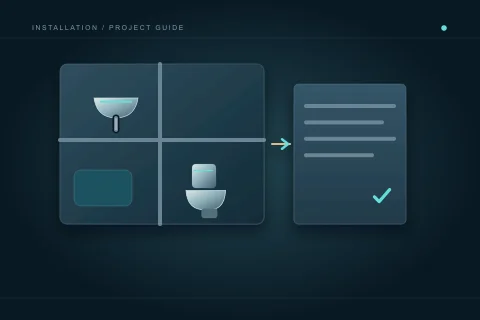
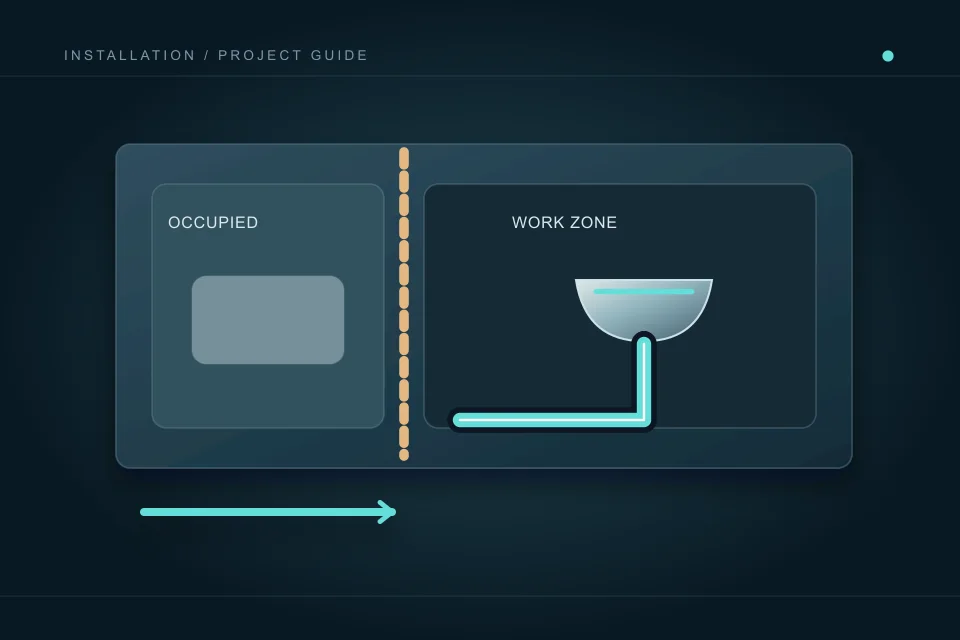
Identify who uses the home and which facilities need to remain available, without collecting unnecessary personal details. Note mobility and access constraints, working hours, pets and rooms that must remain separated from the work area. A household with one toilet has a different staging problem from a home with several bathrooms. Discuss the practical limits before accepting a programme.
Tell the contractor whether other work is happening at the same time and who coordinates daily access. Choose a single route for instructions and changed decisions. Occupants should know which rooms and fixtures are restricted, but they should not have to infer restrictions from tools or exposed pipes. A short daily notice can prevent accidental use of an unfinished connection.
Agree on planned water interruptions
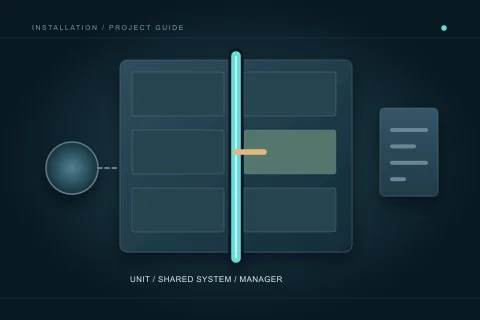
Ask which fixtures or branches can remain available and which stages require a wider interruption. Record anticipated duration, notice, access to the identified household controls and the person responsible for restoring service. Do not promise uninterrupted water from an early discussion before the existing system is assessed. Shared building controls may require management coordination.
Separate planned shutdowns from an unexpected condition discovered during work. The agreement should state how the household will be notified if the programme changes and what work stops while a decision is made. Keep emergency and building contacts available to the contractor. Do not operate unfamiliar valves yourself to accelerate a scheduled interruption; isolation and restoration should follow the responsible party’s process.
Assess concealed conditions before a fixed promise
Existing pipes can differ from what drawings or visible fixtures suggest. Ask what can be assessed before work and what remains uncertain until finishes open. Record the access included in the quotation and how discoveries are reported. A contractor can identify a reasonable investigation scope without pretending every concealed connection is already known.
Calgary’s homeowner permit guidance has specific limits where concealed plumbing was installed without a permit, including licensed-contractor requirements. Do not use a renovation to hide uncertain existing work behind new finishes. If records are missing, describe that uncertainty and ask the contractor and permit authority what assessment or access is needed for the proposed alteration.
Sequence plumbing with finishes and other trades
Coordinate demolition, framing, rough-in, inspection, waterproofing, cabinetry and final connections. Identify who prepares access and who restores each finish. A plumber installing connections may not be contracted to repair tile, paint or cabinets. Likewise, an owner-supplied vanity may need its position settled before drainage is concealed. Assign those interfaces in writing.
Protect finished and retained areas while work remains incomplete. Ask who secures the work area at the end of the day and what occupants must avoid. Do not close an inspection opening because it looks untidy or allow another trade to cover piping before the agreed approval stage. Staging should preserve both household safety and the ability to inspect and correct work.
Approve discoveries with a written decision
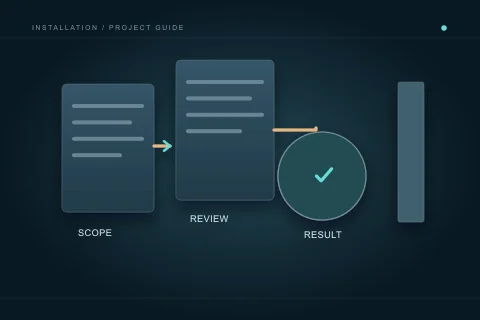
When an unexpected condition changes scope, ask for the finding, options, recommended action, cost and timing before authorizing permanent work. Separate work required for the planned installation from discretionary upgrades. Photographs and a plain-language explanation help an owner compare the options without requiring the owner to make technical design decisions.
Record whether the change alters permits, inspections, access or the promised availability of facilities. Alberta’s hiring guidance recommends written changes approved by both parties. A rapid decision can still have a clear written record. Avoid using a vague contingency allowance as permission for unlimited work or assuming every hidden condition was excluded from the original quotation.
Define the return to normal use
Agree who confirms that affected fixtures may be used and which final tasks remain. Restoration can occur in stages: functional connections, final inspection, trim, finish repairs and deficiency correction may happen on different dates. Keep those stages visible rather than calling the renovation complete when water first returns. Ask for instructions relevant to the installed products.
Retain inspection results, route photographs, invoices and the change record. Note any access panel or owner-accessible shut-off introduced by the renovation. If a symptom appears after use resumes, report the location, timing and prior work rather than reopening finishes. A complete record helps the responsible contractor review the issue and distinguishes new symptoms from unfinished agreed tasks.
Questions people ask
Can the household remain during every plumbing renovation?
That depends on facilities, safe separation, access and the actual scope. Discuss the arrangement before committing; this guide cannot certify that continued occupancy is suitable.
Who restores removed finishes?
The written scope should name that party and the extent of restoration. Plumbing installation, moisture work and decorative finishes are different deliverables.
What if the contractor finds unexpected piping?
Ask for a documented finding and a proposed change that states scope, approvals, access, cost and programme effects before authorizing additional permanent work.
Does restored water mean the whole project is complete?
No. Final fixtures, inspections, finishing, records and deficiencies may remain. Use explicit handover milestones rather than the presence of running water alone.
Sources and further reading
- Homeowner electrical and plumbing permits ↗ · City of Calgary. Checked 2026-10-02.
- Hiring a contractor ↗ · Government of Alberta. Checked 2026-10-02.
- Hiring a contractor ↗ · City of Calgary. Checked 2026-10-02.
Confirm the current requirements with the responsible authority for the actual address and work. This reference does not replace site assessment or an official decision.