Give each contractor the same starting information
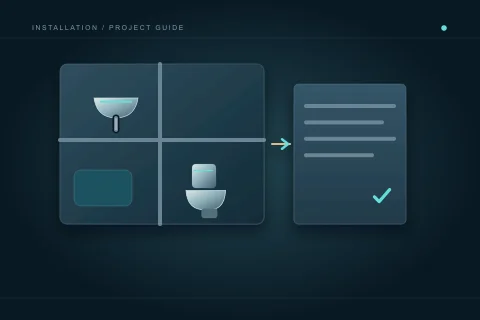
Prepare the property context, room layout, fixture schedule and known existing conditions. Mark unknowns honestly and identify records available for review. State whether the project is new construction, an occupied renovation, a suite or a managed-building alteration. Different starting assumptions make proposals difficult to compare even when the fixture count looks similar.
Include your intended programme and purchasing responsibilities without promising conditions that are not established. Ask each contractor to identify assessment needed before a fixed scope. A fair comparison does not require identical commercial wording, but it does need understandable deliverables. Keep revised information current so one proposal is not based on a superseded layout or product selection.
Match affected systems and retained work
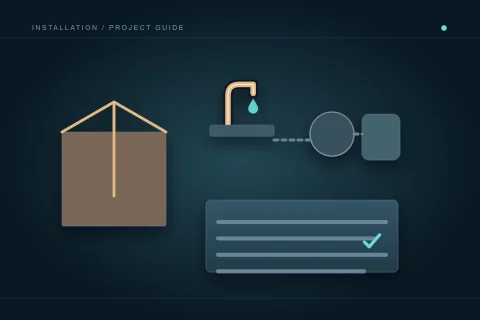
Review drainage, venting, distribution, service entry and fixture connections as applicable. Ask where each work package begins and ends, what is retained and what assessment is included. A phrase such as “complete plumbing” should be clarified with rooms and boundaries. One proposal may include branch replacement while another stops at a visible fixture connection.
Record future provisions separately from completed fixtures. Ask what access or uncertainty might change the proposal after work opens. A larger price can represent a broader assessed scope, while a smaller price may exclude the same work. The comparison should expose that difference rather than assume either amount demonstrates quality, efficiency or necessity.
Reconcile product allowances and supply responsibility
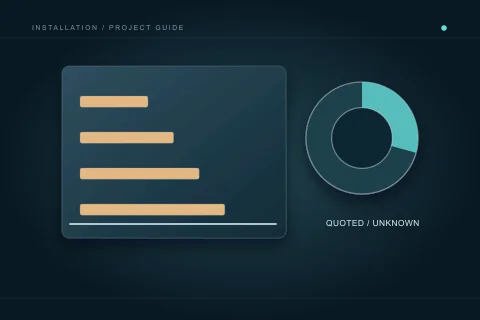
Match actual models, associated parts and owner-supplied items. If an allowance is used, ask what it includes and how the selected price replaces it. Identify accessories, delivery, checking and damaged or missing components. A retail fixture figure is not a completed installation cost, and a contractor’s product allowance should not be treated as a guaranteed final selection price.
Clarify substitutions and procurement deadlines. Ask whether compatibility review and extra attendance are included when the owner buys products. Keep quoted product amounts, installation labour and other work separate where the proposal allows. The budget ledger adds only your supplied amounts; it does not create a job-price estimate for an unknown Calgary project.
Identify approvals, tests and completion evidence
Calgary’s permit guidance requires the applicable process for new construction, extension and alteration. Ask which permits are included, who applies and books, and what results are retained. Testing and inspection responsibilities should be understandable without the owner choosing technical methods. A proposal that excludes these tasks needs that exclusion made explicit.
Check the milestones used for completion and payment. Rough-in, inspected concealed work, final fixtures and handover are different stages. Ask what record demonstrates each deliverable and what happens when corrections are required. A scheduled inspection or an informal assurance should not be substituted for the actual applicable result in the project’s completion record.
Compare access and restoration responsibilities
Identify demolition, slab openings, cabinetry, structural coordination, other trades and finish reinstatement. Ask who prepares access and who restores each affected surface. A plumbing-only scope can legitimately exclude substantial room work, but the owner needs a complete project budget and programme. An omitted interface is not free work merely because it was necessary for the installation.
Use written changes when discoveries or revised products affect scope. Alberta’s contractor guidance supports clear estimates, payment terms and approved changes. Compare how uncertainty is handled, not just a contingency number. An allowance should have an understood purpose and approval process rather than become automatic authorization for every possible addition.
Choose with the unanswered questions visible
List unresolved scope, qualifications, access, products, approvals and service commitments before accepting the proposal. Calgary’s contracting guidance provides business-licence and hiring checks. Registration or licensing information should be checked for relevance; it does not turn this site into an endorsement or guarantee of workmanship. Use actual references and documents rather than invented review claims.
Keep the accepted agreement and clarifications with the final project file. A lower amount is useful only when the included work fits your objective and responsibilities are understood. If you request a human review, state which proposals and questions need comparison. Submission does not select a contractor, approve a contract or guarantee that any party will accept the work.
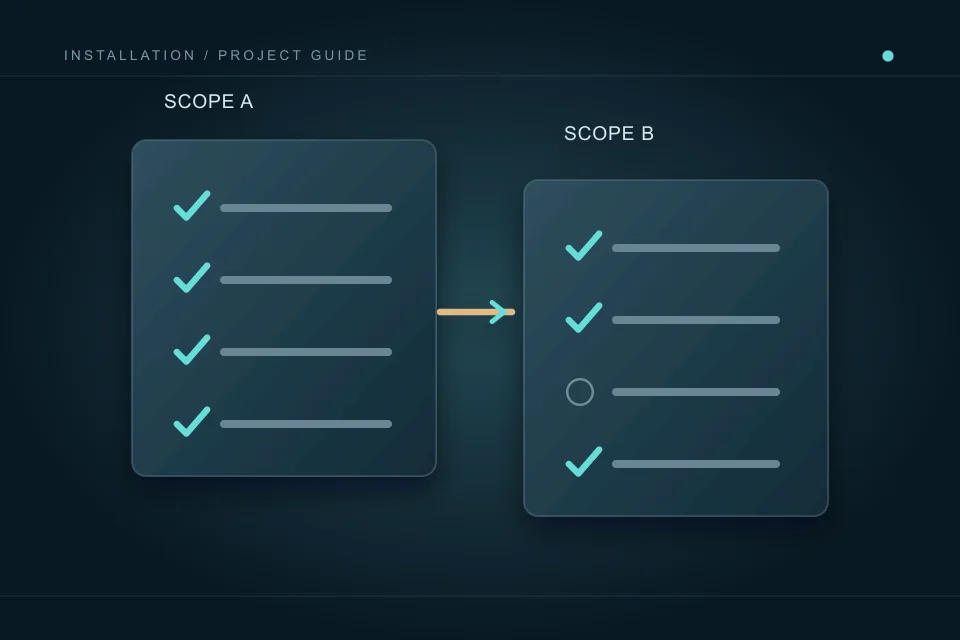
Use a comparison column for each proposal and a row for each required deliverable. Mark included, excluded or unclear. An unclear item needs a written question; do not count silence as either inclusion or a zero-cost allowance.
Questions people ask
Can the worksheet tell me which contractor is best?
No. It identifies supplied scope details and unanswered questions. Qualifications, commercial decisions and workmanship assessment remain separate.
Should every quotation include the same product?
Use the same approved specification or clearly compare alternatives and allowances. Different products can affect both installation and price.
Is the lowest total the cheapest complete project?
Not necessarily. Access, approvals, restoration and other trades may be excluded. Compare the whole required scope and actual amounts.
What should be agreed before extra work?
The finding, proposed change, affected scope, access, approvals, price and programme, with written approval through the project process.
Sources and further reading
- Homeowner electrical and plumbing permits ↗ · City of Calgary. Checked 2026-10-02.
- Hiring a contractor ↗ · Government of Alberta. Checked 2026-10-02.
- Hiring a contractor ↗ · City of Calgary. Checked 2026-10-02.
Confirm the current requirements with the responsible authority for the actual address and work. This reference does not replace site assessment or an official decision.